Ever thought about using your home’s value without selling it? A reverse mortgage could be the answer. It lets homeowners aged 62 and up turn their home’s equity into cash. This can be a smart move for extra money in retirement.
So, what’s a reverse mortgage? It’s not like a regular loan where you pay back each month. Instead, the lender pays you. You can get your home’s equity in different ways, helping you in your golden years.
But how does it work? You can borrow against your home’s value without monthly payments. The loan grows over time. You’ll pay it back when you sell your home, move out, or pass away.
Table of Contents
Key Takeaways
- Reverse mortgages are for homeowners 62 and older
- Borrowers get payments instead of making monthly payments
- The loan uses your home’s equity
- No repayment is needed until certain conditions are met
- It offers financial freedom in retirement
What Is a Reverse Mortgage?
A reverse mortgage is a special loan for seniors. It lets homeowners aged 62 and older get cash from their home’s value. They don’t have to sell their home to get it.
There are more reverse mortgage options now. This means seniors have more ways to use their home’s equity. The most popular is the Home Equity Conversion Mortgage (HECM). It’s backed by the Federal Housing Administration (FHA).
Understanding the Basics
Reverse mortgages are different from regular mortgages. Homeowners get money based on their home’s value. There are a few ways to get this money:
- Lump sum payment
- Monthly fixed payments
- Line of credit
- Combination of payment methods
Mortgage Types and Options
Seniors have three main reverse mortgage choices:
| Mortgage Type | Key Characteristics |
|---|---|
| HECM (FHA-Backed) | Most common, federally insured, flexible payout options |
| Proprietary Reverse Mortgage | Private lender options, typically for higher-value homes |
| Single-Purpose Reverse Mortgage | Limited use, specific expenses like property taxes or home repairs |
The loan balance grows over time. Interest builds up on what’s borrowed. Homeowners keep their property. They don’t have to make monthly payments. This makes it a good choice for many seniors who want financial freedom.
Key Components of a Reverse Mortgage
A reverse mortgage lets homeowners use their home’s equity in retirement. The FHA reverse mortgage program has many options for seniors. This helps them financially.
Knowing the main parts of a home equity conversion mortgage is key. It helps seniors plan their financial future wisely.
Types of Reverse Mortgages
There are three main types of reverse mortgages:
- Home Equity Conversion Mortgage (HECM): The most common government-backed option
- Proprietary Reverse Mortgages: Private loans for higher-value homes
- Single-Purpose Reverse Mortgages: Restricted-use loans from local governments
Loan Amounts and Equity Considerations
The amount you can borrow with a reverse mortgage depends on a few things:
| Factor | Impact on Loan Amount |
|---|---|
| Home Value | Determines maximum borrowing |
| Borrower’s Age | Older borrowers get more equity |
| Current Interest Rates | Affects the loan amount |
Borrowers usually get 40-60% of their home’s value. This depends on their situation.
Eligibility Requirements
Understanding reverse mortgage eligibility is key for homeowners. It’s important to know how to qualify for a reverse mortgage. There are specific criteria that borrowers must meet.
Age Restrictions
The main age rule for a reverse mortgage is simple. Homeowners must be at least 62 years old. This rule helps the product support those in retirement.
- Minimum age requirement: 62 years old
- Typically applies to Home Equity Conversion Mortgages (HECM)
- Age impacts the loan amount
Home Ownership and Residency Criteria
Eligibility for a reverse mortgage is more than just age. Homeowners must also meet property and residency rules.
| Requirement | Details |
|---|---|
| Primary Residence | Must be the borrower’s primary living location |
| Home Equity | Significant equity required (typically 50% or more) |
| Property Type | Single-family homes, approved condominiums, manufactured homes |
Other factors for eligibility include:
- Ability to pay property taxes
- Maintain home insurance
- Keep the property in good condition
Potential borrowers should carefully evaluate their financial situation. They should also talk to a qualified reverse mortgage specialist. This will help them know if they qualify for a reverse mortgage on their primary residence.
Application Process for a Reverse Mortgage
Understanding the reverse mortgage application can be tricky. But knowing the steps helps homeowners make smart choices. Reverse mortgage counseling is key to grasp the loan’s financial impact.
Before starting, seniors need to do a few important things. This ensures they get a reverse mortgage right.
Steps to Apply
- First, talk to a reverse mortgage expert.
- Then, get counseling from a HUD-approved counselor.
- Next, gather all needed financial papers.
- After that, fill out the loan application.
- Next, your home will be appraised and checked.
- Lastly, the loan will be reviewed and approved.
Required Documentation
Having the right papers ready makes applying easier. Here’s what you’ll need:
- Proof you’re 65 or older
- Documents showing you own your home
- Records of property taxes
- Details about your homeowners insurance
- Your Social Security number
- Proof of your income
Many people ask about reverse mortgage counseling. It’s a must. This session helps you understand the loan, its risks, and how it affects your future finances. The counselor will look at your financial situation and help you make a good choice.
Pro tip: Book your HUD-approved counseling early. This can prevent delays in your application.
Pros of a Reverse Mortgage
Reverse mortgages help seniors get more money in retirement. They are special loans for homeowners 62 and older. These loans give financial freedom during retirement.
Supplementing Retirement Income
A reverse mortgage can add to your retirement money. The money you get is not taxed. This way, you can get more money without paying too much in taxes.
- Tax-free loan proceeds
- Flexible payment options
- Potential for increased financial stability
No Monthly Mortgage Payments
One great thing about reverse mortgages is no monthly payments. You can use your home’s value without monthly payments. This is a big help in retirement.
- Reduce monthly financial stress
- Preserve cash flow
- Maintain home ownership
Knowing the good and bad of reverse mortgages helps seniors plan better. By looking at the benefits, they can see if it fits their retirement plans.
Cons of a Reverse Mortgage
Reverse mortgages have big downsides that people need to think about. They offer special benefits but also bring big challenges. These challenges can hurt your money health over time.

It’s key to know the bad sides before deciding. Homeowners should look at important points before getting a reverse mortgage.
Impact on Heirs and Inheritance
A reverse mortgage can hurt what family members get from your home. As the loan grows, the home’s value goes down. This means:
- Family members might get less money from the home
- The home might have to be sold to pay off the loan
- The home’s value could drop a lot
Costs and Fees Associated
Reverse mortgages come with high interest rates and fees. Borrowers face many costs:
- Upfront mortgage insurance premium (2% of property value)
- Annual mortgage insurance premium (0.5% of outstanding balance)
- Origination fees from lenders
- Closing costs for third-party services
The tax impact of a reverse mortgage can also cause financial problems. It’s smart to talk to money experts to understand all the costs.
How to Use Funds from a Reverse Mortgage
Using reverse mortgages needs careful planning. Homeowners have many ways to get money from their home. Each way is for different needs.
Seniors can use a reverse mortgage line of credit in new ways. It’s key to know how to use it well. This helps make the most of this financial tool.
Common Ways to Utilize Reverse Mortgage Funds
- Home modifications for aging in place
- Medical expense coverage
- Supplementing retirement income
- Paying off existing debts
- Emergency financial cushion
Strategic Spending Considerations
Choosing the right way to get money matters a lot. You have three main options:
| Payout Type | Key Features | Best For |
|---|---|---|
| Lump Sum | Fixed amount upfront | Large immediate expenses |
| Monthly Payments | Consistent income stream | Regular expense support |
| Line of Credit | Flexible access to funds | Unpredictable financial needs |
Tip: Always talk to a financial advisor. They can help pick the best reverse mortgage plan for you.
When using a reverse mortgage, think about what’s most important. It’s a big help in retirement. But, planning carefully is very important.
Tax Implications of Reverse Mortgages
Understanding taxes with reverse mortgages is tricky for retirees. It’s key to know how these options affect your taxes. This helps you make smart choices about your retirement money.
Reverse mortgage money has special tax perks. The money you get from a reverse mortgage is not taxed as income. This means you can use your home’s value without worrying about extra taxes.
Tax-Free Access to Funds
Many homeowners are surprised by the tax benefits of reverse mortgages. The money you get is:
- Not taxed as income
- Doesn’t affect Social Security benefits
- Doesn’t change Medicare eligibility
Effects on Tax Liabilities
Knowing about tax effects is important for safe reverse mortgage use. Even though the money is tax-free, it can affect other financial areas:
| Financial Aspect | Potential Impact |
|---|---|
| Property Taxes | No direct tax consequences |
| Medicaid Eligibility | May vary by state regulations |
| Income Reporting | Funds not reported as taxable income |
Talking to a financial advisor is wise. They can help you understand your tax situation. This ensures you use your reverse mortgage wisely.
Alternatives to Reverse Mortgages
Seniors looking at financial options have many choices other than reverse mortgages. These alternatives can help manage money in retirement. They offer more flexibility and might lower financial risks.
Home Equity Loan Options
A home equity loan is a way to use your home’s value. It’s different from reverse mortgages because you make monthly payments. These loans often have lower interest rates and fewer long-term problems.
- Traditional home equity loans give a big payment upfront
- Home equity lines of credit (HELOC) let you borrow as needed
- Fixed rates help plan your finances better
Selling Your Home: A Strategic Alternative
Selling your home might be the best choice for some seniors. It gets rid of reverse mortgage downsides and can unlock a lot of equity.
- Move to a smaller, cheaper place
- Go to a place with lower living costs
- Use the money for retirement needs
When looking at reverse mortgage alternatives, seniors should think about their finances carefully. Talking to a financial advisor can help find the best option for you.
Additional Financial Strategies
Seniors can also look at other ways to make money and save:
- Work part-time or as a consultant
- Get money from renting out property
- Lower your monthly bills
- Check out government help programs
Understanding Reverse Mortgage Repayment
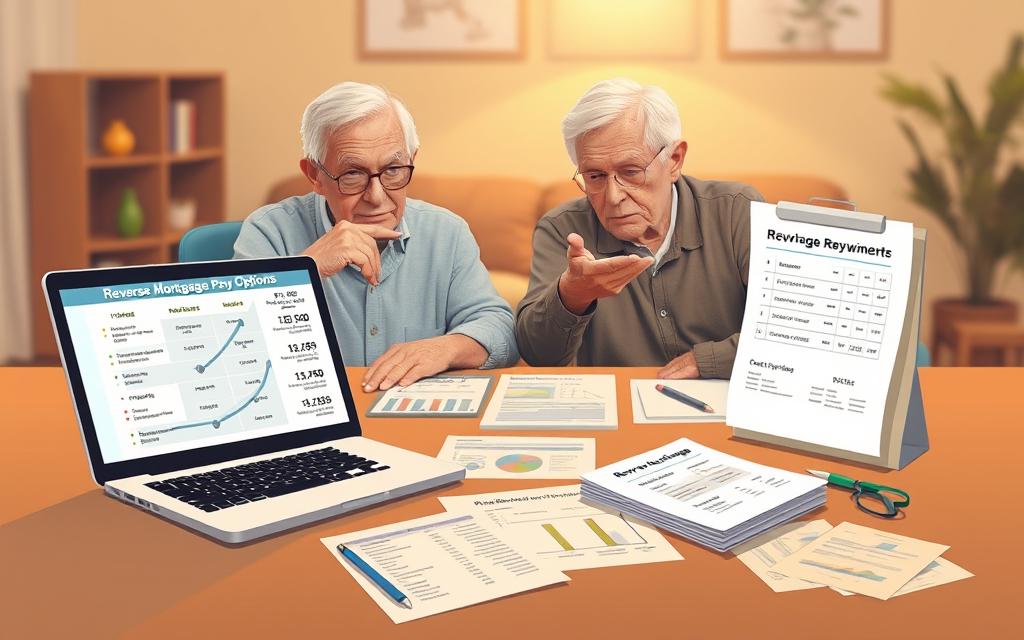
Understanding how to repay a reverse mortgage is tricky. It’s key for homeowners and their families to know when and how to pay back. This is important when thinking about this financial choice.
Rules for reverse mortgages say when you must pay back the loan. There are three main times:
- The last surviving borrower passes away
- The homeowner sells the property
- The homeowner moves out of the home permanently
Timing of Repayment
Heirs have a few ways to handle the loan after the homeowner dies. They usually have about 12 months to deal with the mortgage.
Repayment Strategies
Many ask about the ways to repay a reverse mortgage. Here are some common ones:
- Sell the Home: The most common way to pay off the loan
- Refinance the existing mortgage
- Use other estate funds to pay off the balance
- Keep the home by paying the full loan balance
HUD-approved reverse mortgages have a special rule. This rule means you or your heirs won’t owe more than the home’s value when it’s time to pay back.
Homeowners should look at the rules for reverse mortgages. They should also talk to financial advisors. This helps understand the long-term effects of this choice.
Common Myths About Reverse Mortgages
Many seniors don’t try reverse mortgages because of myths. It’s important to know the truth to make good choices about money in retirement.
Homeowners often have many questions about reverse mortgages. Let’s clear up some common myths:
- Myth: The bank takes ownership of your home
Reality: You keep your home’s title and ownership. A reverse mortgage lets you use your home’s value without giving up your home.
- Myth: Reverse mortgages are a last-resort financial option
Reality: They can be part of a smart retirement plan. Many use them as a tool, not just when they have no other choice.
- Myth: You must have perfect credit to qualify
Reality: You don’t need perfect credit. Lenders look at your home’s value and age, not just your credit score.
Separating Fact from Fiction
It’s important to know the real deal about reverse mortgages. Talk to experts in retirement planning to get the right info.
Protecting Your Financial Future
Clearing up myths helps seniors make better choices for retirement. Knowing the facts helps decide if a reverse mortgage fits your goals.
Resources for Reverse Mortgage Information
Understanding reverse mortgages can be tough. You need good info and expert advice. Knowing the rules and getting counseling helps you make smart money choices.
Finding the right info is key when looking at reverse mortgages. You should use many sources to learn about your financial options.
Government Agencies Providing Reverse Mortgage Guidance
Some government agencies give great advice on reverse mortgages:
- Department of Housing and Urban Development (HUD)
- Consumer Financial Protection Bureau (CFPB)
- Federal Housing Administration (FHA)
Nonprofit Counseling Services
Getting help from experts is very important. HUD-approved counselors give advice without bias. They help you understand your choices.
| Resource Type | Contact Information | Purpose |
|---|---|---|
| HUD Counseling Referral Line | 1-800-569-4287 | Find local reverse mortgage counselors |
| CFPB Website | www.consumerfinance.gov | Educational resources and consumer protection |
| National Council on Aging | www.ncoa.org | Financial counseling for seniors |
Don’t skip reverse mortgage counseling. It’s key to know the good and bad of these loans. Good advice helps you feel sure about your retirement money choices.
Financial Planning with a Reverse Mortgage
Adding a reverse mortgage to your retirement plan needs thought and planning. Seniors can use their home’s value to stay financially stable in retirement.
A reverse mortgage for retirement is a great way to use your home’s value. Homeowners 62 and older can turn their home’s value into a flexible financial tool. This helps reach long-term financial goals.
Strategic Retirement Income Management
Using a reverse mortgage safely can bring many benefits:
- It adds to your retirement income without selling your home
- It lets you wait to use other retirement accounts
- It creates a safety net for unexpected costs
Leveraging Reverse Mortgage Line of Credit
The reverse mortgage line of credit is a smart choice for retirees. It lets homeowners:
- Get money when they need it
- Save on interest charges
- Keep other retirement savings safe
Retirees can use their home’s value to make their retirement more secure and comfortable.
Real-Life Experiences with Reverse Mortgages
Reverse mortgages can be tricky to understand. But, real stories show how they help people. Homeowners in the U.S. use them in different ways to get better financially.
Planning for retirement means finding smart financial moves. Reverse mortgages can help seniors. Getting advice from experts is key to using them safely.
Borrower Testimonials
Homeowners share their reverse mortgage stories. They talk about the good and the tough parts:
- Margaret Thompson, 72, used her reverse mortgage to cover unexpected medical expenses
- Robert Garcia renovated his home, improving his quality of life in retirement
- Elizabeth Wright supplemented her fixed income with monthly reverse mortgage payments
Illuminating Case Studies
Case studies show how reverse mortgages work in real life. Each story shows how they meet different needs.
| Borrower Profile | Financial Goal | Outcome |
|---|---|---|
| Retired Teacher | Supplement Income | Stable Monthly Funds |
| Widow | Home Maintenance | Home Improvements Completed |
| Disabled Veteran | Medical Expenses | Financial Relief Achieved |
These examples show reverse mortgages can be very helpful. They work well with good planning and expert advice.
Conclusion: Is a Reverse Mortgage Right for You?
Thinking about a reverse mortgage? It’s important to look at your own situation first. The good and bad points of reverse mortgages can really affect your retirement plans. If you’re 62 or older, think about the benefits and the long-term effects.
To qualify for a reverse mortgage, you need to check a few things. Your home’s value, your income now, and your retirement dreams are key. Talking to a financial advisor can help you see if a reverse mortgage is right for you.
Do your homework before deciding. Some people use reverse mortgages to help with retirement money. But others might find other ways to get the money they need. A professional can help you understand all the details.
Choosing the right option depends on your money situation and future plans. Take your time to look at all your options. Know the risks and see how a reverse mortgage can help with your retirement money.