What happens to your rights after a felony conviction? Many assume the answer is straightforward, but overlapping state and federal laws create a maze of restrictions. Navigating firearm ownership rules requires understanding how legal definitions, timelines, and recent court rulings interact.
Texas law, for example, allows individuals to possess firearms five years after completing their sentence. This contrasts sharply with federal statutes, which permanently ban possession for crimes punishable by over one year in prison. Even terms like “firearm” carry nuances—antique weapons or display pieces might bypass certain restrictions.
Recent Supreme Court decisions, such as New York State Rifle & Pistol Association v. Bruen, have reshaped how courts evaluate gun laws. These changes could influence how felony-related prohibitions are applied. Yet conflicting regulations between jurisdictions leave many uncertain about their rights.
Table of Contents
Key Takeaways
- State and federal laws often conflict on firearm possession after a felony
- Texas permits ownership five years post-sentence under specific conditions
- Federal bans remain permanent for serious convictions
- Definitions of “firearm” vary, affecting antique weapon exemptions
- Recent court rulings may impact future legal interpretations
Overview of Felony Convictions and Firearm Laws
Felony convictions trigger immediate legal barriers beyond prison time. These serious offenses range from violent acts to white-collar schemes, carrying sentences exceeding one year. Permanent restrictions often follow, particularly regarding constitutional protections like the right to bear arms.
Understanding Felony Definitions and Consequences
States classify crimes based on severity. Misdemeanors rarely affect firearm rights long-term. But felonies—like robbery or fraud—create lasting hurdles. Federal law permanently bans possession under 18 U.S.C. § 922(g), while some state rules offer limited restoration.
Legal professionals play vital roles here. An attorney can challenge offense classifications or seek record expungement. Their guidance proves critical when navigating overlapping regulations.
Basics of Firearm Regulations in the United States
Firearm eligibility hinges on two systems:
| Category | Misdemeanor | Felony |
|---|---|---|
| Federal Firearm Ban | Rare (domestic violence exceptions) | Lifetime prohibition |
| State Restoration Options | Varies by jurisdiction | Possible after sentence completion (e.g., Texas) |
| Constitutional Challenges | Limited scope | Increasing post-Bruen rulings |
Court-ordered punishments also matter. Probation terms or protective orders may impose additional restrictions. Always consult legal counsel to interpret specific crime classifications and rights.
State Law vs Federal Law: The Texas Example and Beyond
Navigating firearm laws post-conviction reveals stark contrasts between state and federal jurisdictions. Texas offers limited restoration opportunities, while federal statutes maintain rigid prohibitions. These conflicting standards create a legal tightrope for individuals seeking to understand their rights.

Texas Restoration Pathways
Texas Penal Code §46.04(a) permits firearm possession at a residence five years after completing all sentence requirements. This applies only if no subsequent felony charges occur. The law recognizes self-defense needs but restricts carrying weapons publicly.
Federal Lifetime Bans
Under 18 U.S.C. §922(g)(1), federal law imposes permanent firearm prohibitions for any convicted felony punishable by over one year imprisonment. Unlike Texas, no exceptions exist for home storage or elapsed time. Federal agents can prosecute cases even in states with lenient rules.
The term “bear arms” faces conflicting interpretations. While the Second Amendment protects this right, federal courts consistently uphold restrictions for those with felony records. State-level allowances don’t shield against federal charges, creating dual legal risks.
Practical examples highlight these disparities:
- A Texas resident legally owning a hunting rifle at home could face federal indictment
- Firearm inheritance rights vanish under federal statutes despite state probate laws
These contradictions force difficult choices. Legal counsel becomes essential when navigating overlapping layers of regulation in the United States.
What is a Firearm? Definitions and Legal Exceptions
Legal definitions often hold hidden complexities that shape rights and restrictions. Understanding what qualifies as a firearm requires examining both technical specifications and statutory exceptions. These distinctions determine how laws apply to antique weapons or collector items.
Technical Specifications in Texas
Texas Penal Code §46.01(3) defines a firearm as any device designed to expel projectiles via explosive force. This includes modified items “readily convertible” to such use. However, pre-1899 antiques and non-firing replicas escape this classification entirely.
Federal Standards and Collectibles
Federal law under 26 U.S.C. §5845(a) takes a broader approach. It covers short-barreled rifles, machine guns, and silencers while exempting firearms made before 1898. Courts have upheld these exemptions in multiple cases, recognizing historical artifacts pose lower risks of violence.
Key differences emerge in three areas:
- Antique cutoff dates (1899 vs. 1898)
- Inclusion of destructive devices under federal rules
- Treatment of replicas lacking firing capability
These variances create scenarios where an heirloom rifle might bypass state restrictions but still violate federal law. Legal professionals emphasize verifying both frameworks before acquiring collectible arms.
Can a Felon Own a Gun? Legal Considerations and Rights
Restoring firearm privileges requires navigating a complex legal landscape. State and federal systems often clash, creating confusion about eligibility. Criminal defense strategies play a crucial role in addressing these challenges.

Navigating Legal Rights with a Felony Conviction
Three primary pathways exist for regaining firearm rights:
| Method | State Process | Federal Impact |
|---|---|---|
| Expungement | Erases conviction in 18 states | Does not override federal ban |
| Pardon | Restores rights in 32 states | Requires presidential pardon |
| Reduction to Misdemeanor | Available in 27 states | May lift federal restrictions |
Legal professionals emphasize verifying both state federal requirements before pursuing restoration. For example, Texas allows limited home possession after five years, but federal agents can still prosecute cases.
Key steps often include:
- Completing all parole/probation terms
- Filing petitions with supporting evidence
- Undergoing federal background checks
Recent court rulings highlight evolving interpretations of possessing firearm terminology. Always consult attorneys specializing in criminal defense to address specific circumstances.
Recent Legal Developments and Second Amendment Impacts
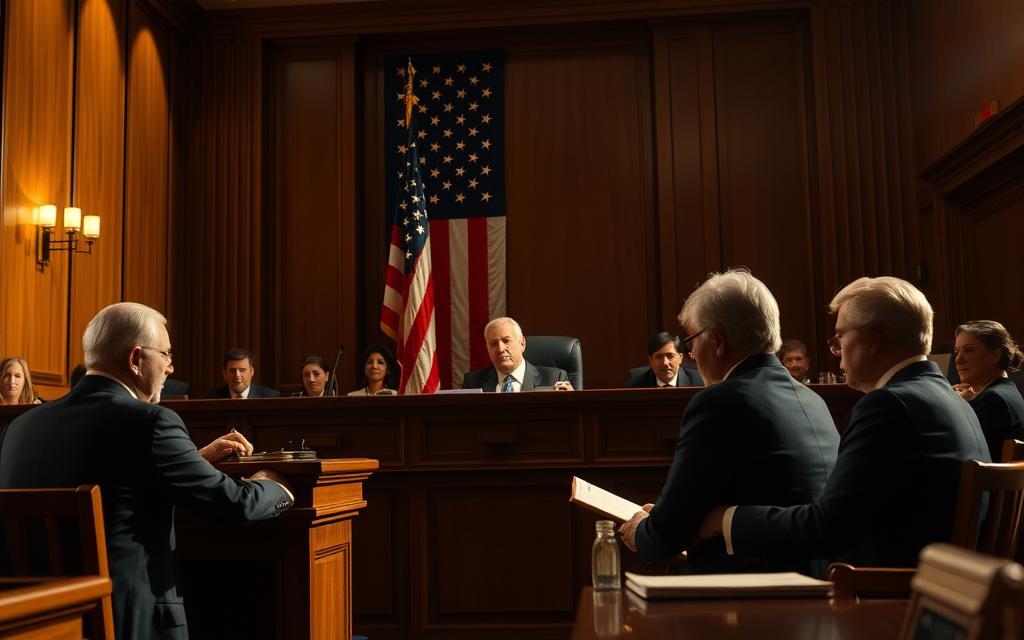
Judicial shifts are reshaping firearm rights debates nationwide. The 2022 Bruen decision established a new framework for evaluating gun laws, requiring regulations to align with historical traditions. This standard challenges blanket prohibitions, including those affecting individuals with past convictions.
The Bruen Decision and Its Consequences
Courts now face pressure to justify firearm restrictions through 18th-century legal practices. A recent Sixth Circuit ruling upheld felon disarmament by citing historical analogues, while other judges argue this approach overlooks modern public safety needs. Legal experts note increased challenges to federal bans under this precedent.
Ongoing Court Cases and Future Legal Trends
Three pivotal lawsuits highlight evolving interpretations:
- Range v. Garland (3rd Circuit): Challenges lifetime bans for non-violent offenses
- State-level cases testing restoration timelines for pardoned individuals
- Appeals questioning if antique firearm possession triggers modern penalties
Pardons now carry renewed significance, as governors in 14 states expanded clemency programs since 2022. Successful applicants often demonstrate rehabilitation through employment records or community service. However, federal recognition remains inconsistent, creating risks even after state-level approval.
Defense strategies increasingly focus on historical analysis. Attorneys now present colonial-era statutes to counter charges, arguing early American law permitted firearm possession post-sentence. These tactics could redefine how courts balance public safety with constitutional rights.
Conclusion
Navigating firearm regulations after convictions resembles walking through a shifting legal minefield. State and federal laws clash sharply—some jurisdictions permit limited ownership after specific years, while national statutes enforce lifetime bans. Definitions matter: antique weapons made before 1899 often bypass restrictions, but modern replicas risk federal charges.
Recent court rulings add complexity. The Bruen decision forces judges to weigh modern laws against historical precedents, creating openings for challenges to blanket prohibitions. However, restoration programs remain costly and inconsistent—only 18 states offer expungement options that might lift federal barriers.
Three factors determine eligibility:
• Time since completing sentences
• Offense severity and violence risk
• Judicial interpretations of constitutional rights
Legal professionals remain essential for untangling these layers. While some regain privileges through pardons or reduced charges, federal recognition varies. Evolving definitions of weapons and shifting court standards ensure this landscape will keep changing—demanding vigilance from all involved parties.