Did you know Georgia law strictly limits how property owners can interact with renters? While many assume landlords hold unchecked power, state regulations create clear boundaries to protect residents. This guide cuts through the confusion to reveal your legal safeguards.
Georgia’s rental laws prioritize fairness for both parties. From security deposit disputes to eviction notices, tenants have specific protections against overreach. Understanding these rules helps renters avoid costly mistakes and maintain stable housing.
A well-drafted lease agreement is your first line of defense. Always document property conditions before moving in. This simple step can prevent conflicts about damages later. We’ll break down critical topics like entry notices, repair responsibilities, and illegal lockouts.
Table of Contents
Key Takeaways
- Georgia prohibits landlords from entering properties without 24-hour notice
- Security deposits must be returned within 30 days after move-out
- Retaliatory evictions are illegal under state housing laws
- Tenants can withhold rent for unaddressed essential repairs
- Discrimination based on protected classes violates federal and state laws
Knowledge of tenant rights fosters better landlord relationships. Whether you’re signing a new lease or facing potential disputes, this checklist clarifies prohibited actions. Stay informed to ensure your housing experience remains secure and lawful.
Understanding Tenant Rights in Georgia
Georgia’s rental regulations establish clear boundaries to ensure fair treatment for residents. State laws outline specific protections while defining obligations for both parties. A balanced approach helps maintain safe living conditions and transparent interactions.
Core Legal Safeguards
The landlord-tenant laws prohibit arbitrary rent increases during active leases. Residents gain protection against sudden evictions without proper cause. Property owners must address health hazards like mold or broken heating within reasonable timeframes.
| Responsibility | Tenant | Property Owner |
|---|---|---|
| Maintenance Reporting | Prompt issue alerts | Timely repairs |
| Safety Compliance | No fire hazards | Working smoke detectors |
| Notice Periods | 30-day vacancy alerts | 24-hour entry warnings |
Shared Duties for Harmony
Renters must keep properties clean and undamaged beyond normal wear. Owners ensure structural integrity and functional utilities. Both parties benefit from written records of inspections and communications.
Failure to provide advance notice before property entry violates state codes. Such oversights can lead to legal disputes or financial penalties. Clear documentation prevents misunderstandings about repair timelines or deposit returns.
Pre-Move: Tenant Checklist and Lease Agreement Essentials
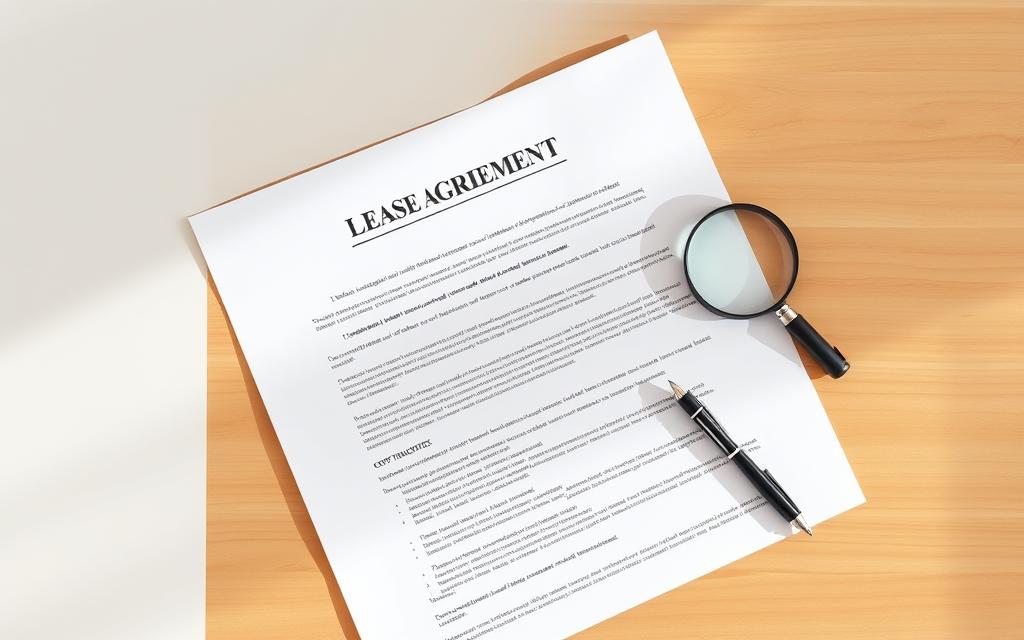
Securing your rental rights begins before moving day. Two critical steps shield residents from common disputes: documenting property conditions and scrutinizing contract details. These proactive measures create legal safeguards that last through your tenancy.
Conducting Thorough Pre-Move Inspections
Create a room-by-room checklist with timestamped photos or videos. Focus on:
- Flooring stains or damage
- Appliance functionality
- Wall cracks or paint issues
- Window and door operation
Share this record with the property manager and keep copies. This evidence prevents unfair deductions from security deposits later.
Key Clauses in Lease Agreements
Always verify these three essential sections in your rental agreement:
| Clause Type | What to Check |
|---|---|
| Maintenance | Repair timelines & emergency contacts |
| Deposit Terms | Return conditions & deadlines |
| Renewal Policies | Notice periods & rate changes |
Never sign a lease without understanding every obligation. Ambiguous terms about subletting or guest policies often trigger conflicts. Clarify unclear language in writing before committing.
Defining Tenant Versus Guest Status
The distinction between occupant classifications carries major legal weight. Mislabeling someone’s residency status can alter unit access rights and eviction procedures. Clear definitions protect both parties under state housing regulations.
Legal Differences in Status
Tenants gain protections through signed agreements or consistent rent payments. Guests lack formal housing rights regardless of stay duration. This distinction becomes crucial during lease violations or property damage disputes.
| Criteria | Tenant | Guest |
|---|---|---|
| Lease Agreement | Required | Not applicable |
| Stay Duration | 30+ days | Under 2 weeks |
| Eviction Process | Court order needed | Immediate removal allowed |
| Legal Protections | Full tenant rights | Limited to host’s discretion |
Property owners must enforce complex rules about unauthorized occupants. Residents should document all communications regarding visitor policies. Verbal agreements hold less weight than written permissions during legal challenges.
Tenants retain critical information about approved occupants in their rental contracts. Always verify lease terms before allowing extended stays. Proper documentation prevents accidental tenant status assignments to temporary visitors.
what a landlord cannot do in georgia
State housing laws create strict limitations on rental management tactics. Renters face unlawful pressures when owners disregard these boundaries. Recognizing prohibited behaviors helps residents protect their housing stability.
Illegal Property Management Tactics
Owners violate tenant rights through these common oversteps:
| Prohibited Action | Tenant Right | Legal Consequence |
|---|---|---|
| Changing locks without court order | Demand immediate access | Treble damages + attorney costs |
| Raising rent mid-lease | Pay agreed rate | Lease termination + refunds |
| Removing doors/windows | Withhold rent until repair | Municipal code fines |
| Ignoring repair requests | File housing code complaint | Court-ordered compliance |
Red Flags for Tenant Protection
Watch for these warning signs of rights violations:
- Demands for cash payments without receipts
- Threats of eviction after requesting repairs
- Unauthorized property alterations during occupancy
Document every suspicious interaction. Photograph altered units or damaged property. Send dated communications via certified mail when disputes arise.
Legal ramifications for violations include triple financial penalties in some cases. Tenants may recover moving costs if illegal eviction occurs. Always consult housing attorneys before initiating a lawsuit.
Eviction Laws and Legal Procedures
Navigating housing disputes requires clear knowledge of lawful removal processes. Georgia mandates specific steps for ending tenancies, protecting both residents and property managers. These rules prevent abrupt displacements while upholding contractual obligations.

Notice Requirements and Court Processes
Property owners must issue written warnings before starting formal removal actions. A 7-day notice addresses unpaid rent, while lease violations require 30 days’ warning. These documents must specify exact issues and correction deadlines.
| Eviction Step | Action Required | Timeline |
|---|---|---|
| Initial Notice | Written violation alert | 7-30 days |
| Court Filing | Summons submission | 14 days post-notice |
| Hearing | Judge reviews evidence | 10 business days |
| Writ Issuance | Law enforcement coordination | 7 days post-ruling |
Judges dismiss cases lacking proper documentation. Tenants can present repair receipts or payment records as defenses. Always attend hearings – absence leads to automatic rulings for property owners.
Understanding Grounds for Eviction
Valid reasons for removal include repeated noise complaints or unauthorized occupants. Lease agreements must explicitly prohibit cited behaviors. Retaliatory actions after repair requests or complaints violate housing laws.
| Valid Grounds | Retaliatory Actions |
|---|---|
| Nonpayment for 60+ days | Eviction after code complaints |
| Property damage exceeding wear | Removal following rent protests |
| Criminal activity evidence | Displacement after tenant union joins |
Courts penalize owners using eviction threats to silence maintenance requests. Document all communications when facing questionable removal attempts. Legal aid organizations provide free guidance for complex cases.
Guarding Against Discrimination and Harassment
Federal laws create essential shields against housing bias. Renters gain robust protections through the Fair Housing Act and Georgia’s anti-discrimination statutes. These regulations promote equal access while penalizing prejudiced practices.

Equal Access Frameworks
The Fair Housing Act bans discrimination based on seven protected classes:
- Race or national origin
- Religious beliefs
- Disability status
- Familial status (including pregnancy)
Georgia’s Fair Business Practices Act adds extra safeguards against:
| Federal Protections | State Additions |
|---|---|
| Gender identity | Age (40+) |
| Sexual orientation | Marital status |
Recognizing Unlawful Behavior
Property managers cross legal lines through actions like:
- Rejecting applicants with service animals
- Charging higher fees to single parents
- Advertising “no Section 8” housing
Retaliation manifests through sudden rent hikes after repair demands or eviction threats following discrimination complaints. Keep detailed records of all interactions – emails, letters, and witness statements hold critical weight in disputes.
Both parties benefit from reviewing the Georgia Landlord-Tenant Handbook to understand mutual obligations. Proper documentation helps residents prove violations while protecting owners from false claims.
Security Deposits, Move-Out Inspections, and Additional Fees
Financial protections form the backbone of renter security in Georgia. State regulations establish clear guidelines for handling funds and assessing property conditions. Proper documentation ensures transparency during transitions between occupants.

Deposit Caps and Fee Structures
Georgia imposes no statutory maximum for security deposits, but contracts must outline exact amounts. Non-refundable fees require explicit written disclosure before lease signing. These payments remain separate from rent charges under state law.
| Fee Type | Legal Requirement | Common Practice |
|---|---|---|
| Security deposit | Refundable unless damages occur | 1-2 months’ rent |
| Pet fee | Must specify non-refundable status | $200-$500 |
| Cleaning fee | Only deductible if unit left unclean | $150-$300 |
Move-Out Documentation Process
Property managers must provide itemized damage lists within three business days of vacancy. Compare these claims against your initial inspection records. Discrepancies often arise from pre-existing wear versus new destruction.
Use this checklist during final walkthroughs:
- Match flooring condition to move-in photos
- Test all appliances listed in lease
- Verify wall integrity beyond normal wear
- Check for unauthorized alterations
Tenants disputing charges can file claims through security deposit regulations. Courts require photographic proof and signed inspection reports. Always request receipts for repair deductions exceeding $100.
Maintenance and Repair Responsibilities
Rental properties require ongoing care to remain safe and functional. Clear protocols govern how upkeep issues get resolved between residents and property managers. Both parties must understand their roles to prevent disputes over living conditions.
Landlord Obligations for Timely Repairs
Property owners must address essential repairs affecting habitability. Georgia law mandates fixes for:
- Broken heating/cooling systems
- Plumbing leaks or sewage backups
- Electrical hazards
- Structural weaknesses
Owners typically have 48 hours to respond to emergency requests. Non-urgent maintenance should begin within 7 business days. Delays beyond these timeframes may constitute legal violations.
Tenant Remedies: Repair and Deduct Options
Residents can take action when critical repairs get ignored. Follow these steps for the “repair and deduct” process:
- Submit written notice with photo evidence
- Allow 14 days for response
- Hire licensed professionals if unresolved
- Deduct costs from rent (up to one month’s payment)
Keep all receipts and contractor agreements. This method only applies to issues impacting basic living standards. Cosmetic damages don’t qualify for deductions.
Document every maintenance request via email or certified mail. Time-stamped photos prove pre-existing damages versus new issues. Proper records strengthen cases if disputes reach small claims court.
Ensuring Compliance with Georgia Landlord-Tenant Laws
Proactive measures prevent most housing conflicts under Georgia’s rental regulations. Both parties benefit from systematic approaches to record-keeping and conflict resolution. Clear communication paired with organized documentation strengthens legal positions if disputes arise.
Best Practices for Documentation
Create digital and physical copies of all rental-related paperwork. Essential records include signed agreements, repair requests, and payment receipts. Use cloud storage with date stamps to preserve authenticity.
| Document Type | Retention Period | Purpose |
|---|---|---|
| Lease contracts | 3 years post-move-out | Proof of terms |
| Maintenance logs | 2 years after repair | Habitability evidence |
| Notice letters | 1 year after resolution | Compliance tracking |
Photograph dated mailings for critical notices like rent increases. Email chains often serve as valid court evidence if timestamped. Consistent filing habits reduce stress during urgent situations.
Legal Recourse and Communication Strategies
Tenants facing unresolved issues should follow this escalation path:
- Submit written notice via certified mail
- Request mediation through housing agencies
- File claims in small claims court
| Conflict Type | Response Time | Action |
|---|---|---|
| Repair neglect | 14 days | Repair-and-deduct notice |
| Illegal fees | 7 days | Formal demand letter |
| Deposit disputes | 30 days | Civil complaint filing |
Maintain neutral language in all written exchanges. Phrases like “per our agreement” reference binding terms without hostility. Timely responses to legal notices preserve rights under state laws.
Conclusion
Successful rental relationships thrive when both parties understand their legal boundaries. Tenant rights protect against unlawful practices while ensuring habitable living conditions. Clear documentation remains the anchor of conflict prevention.
Written agreements detailing repair timelines and deposit terms prevent disputes. Always verify lease clauses about occupancy limits and fee structures. These steps create accountability for all involved.
Stay updated on state regulations through official resources like the Georgia Landlord-Tenant Handbook. Proactive communication resolves most issues before escalation. Record every interaction involving maintenance requests or policy changes.
When conflicts arise, consult housing attorneys to assess your position. Legal rights empower residents to challenge improper charges or unsafe environments. Protect your stability by acting swiftly on suspected violations.